Just like us, our dogs' bodies are made mostly of water, so a dog not drinking water should raise concern given how vital hydration is.
"So what to do if my dog won't drink water?," you may ask. Unfortunately, it's not like we can force dogs to drink by lecturing them about the importance of H₂O!
What we can do instead is figure out why your dog isn't drinking, then persuade them that water is the best thing ever. Fortunately, a few simple tricks can make our dogs' water far more appealing.
Key takeaways
A dog's lack of interest in water may be caused by both emotional and physical factors
Water deprivation can become life-threatening much faster than a lack of food
Puppies and senior dogs are more likely to become dehydrated quickly when they don't drink sufficient amounts of water
Veterinarians can have pet parents conduct a test to determine how much their dog is drinking per day
In the case of a dog's unexplained disinterest in drinking, it's best to play it safe and have the dog see the vet sooner rather than later
Source: Chiemesee2024, Pixabay
Why Is My Dog Not Drinking Water?
If you are wondering, "Why is my dog not drinking water?" you are likely quite concerned — and rightly so. Because water consumption is fundamental for virtually any bodily function, a decrease in drinking can feel quite alarming, especially when it happens suddenly or is accompanied by other signs of illness.
Dogs are naturally prone to drinking lots of water because they're often active and get hot easily, so a lack of thirst can be quite alarming.
If your dog is not drinking, it's important to distinguish between a dog refusing to drink water and a dog who is simply drinking less. A dog who is not drinking at all is at high risk for dehydration, whereas a dog drinking less water than usual is a bit less concerning — though still worthy of attention and close monitoring.
Common Reasons: Stress, Illness, and Environment
Reduced drinking in dogs can be due to a variety of factors, both medical and emotional. A sick dog not drinking water is not uncommon, and the cause often falls into one of these buckets:
Problems may sometimes start in the mouth. When my Rottweiler underwent a tooth extraction, the first sign of discomfort came from his refusal to drink water.
Pain elsewhere in the body can also reduce a dog's interest in drinking. For example, dogs with neck pain and other orthopedic conditions may find lowering their head to the bowl uncomfortable.
If your dog won't drink water but eats food, nausea can be a culprit. Nauseous dogs often show other signs too, such as lip licking, drooling and gulping repeatedly.
A dog with a fever, infection, heart disease, cancer, or another systemic disease may simply not drink due to a lack of energy or motivation to get up regularly.
On the emotional side, stress is one of the main factors that can put a halt on a dog's drinking habits. As a dog trainer offering years of board-and-training services, I can attest that cases of dog stress not drinking are common — especially when dogs are in unfamiliar environments such as boarding kennels, shelters, or veterinary hospitals, or are going through major life changes.
📝 Note:
When a dog is in a fearful state, the body focuses on survival first. Eating, drinking and sleeping may temporarily take a back seat until the dog feels safe and secure again.
How Much Water Should a Dog Drink Per Day?
At some point, pet parents may wonder: how much water should a dog drink each day? It's an important question, considering how water is essential for virtually every process in the dog's body.
💡 Tip:
An average dog's water intake should be approximately 1 ounce of water (that's ⅛ of a cup) per pound of body weight, though several factors can influence these numbers.
With that in mind, you can identify a dog drinking less water than usual with an easy test: measure how much water goes into the bowl in the morning, then measure how much is left at the end of the day. This gives a ballpark figure for daily intake, although there are several variables to factor in.
For example, dogs suffering from an illness or dogs exercising in hot environments will require different amounts of water, explains board-certified veterinary nutritionist Dr. Laura Gaylord, in an article for DVM360.
Diet matters too. Dogs eating canned or fresh diets often drink less because they get substantial moisture from their food. And of course, you'll want to account for water spilled from the bowl, natural evaporation, and multiple pets sharing the same bowl.
Puppy and Senior Dog Hydration Needs
Puppies and senior dogs are particularly vulnerable when it comes to reduced dog water intake. When deprived of enough water, they're more likely to become dehydrated quickly.
A puppy not drinking water — or acute fluid loss from vomiting, diarrhea or a fever — may rapidly deplete a puppy's smaller fluid reserves, so even minor losses can significantly affect their health.
Senior dogs may face medical conditions such as kidney disease that interfere with their ability to maintain proper hydration.
A puppy or a senior dog not drinking can therefore have more serious consequences, so any noticeable decrease in water consumption should be monitored closely and discussed with a veterinarian if it persists.
How to Get a Dog to Drink Water
Once you've confirmed that your dog is drinking less, the next question is: how to get a dog to drink water? After all, it's not like you can lecture him or ask him to watch a PowerPoint presentation on the importance of hydration!
Fortunately, if you're wondering how to encourage a dog to drink water, there are several options to boost your dog's consumption of H₂O — and most are easy to implement:
Flavor the water to make it more appetizing. You can add a bit of chicken broth to the dog's water, suggests Dr. Gaylord.
Add water on top of your dog's kibble, or to their wet food.
💡 Tip:
If your dog is refusing water because they feel nauseous, offer them ice cubes in small amounts.
Tried the broth trick and moved the bowl, but your dog still won't drink? Every hour without water counts. Tell PawChamp’s expert what's going on and get expert eyes on it today.
Bowl Tips, Flavoring, and Routine Changes
On top of flavoring dog water, you can try to increase your dog's water consumption by making some minor changes to his or her environment. This can be particularly effective if you suspect your dog is not drinking due to stress.
Dogs love their routines and any minor changes to their environments may turn their lives topsy-turvy, leading to unusual behaviors such as not eating or drinking. In these cases, how to encourage dog to drink water if it's stress-related?
👉 Example:
One of the most popular dog water bowl tips is to move the bowl to a calmer setting, considering how a dog's refusal to drink may be associated with being in a chaotic location.
When Not Drinking Water Becomes a Medical Concern
Obviously, failure to drink water can lead to some serious consequences. Dehydration in dogs manifests in several ways, and these signs are not always easy to spot.
For example, a dog not drinking after surgery may become dehydrated, but the signs may not be recognized because post-operative dogs are often sleepy and less active.
Being acquainted with the many dog dehydration symptoms can therefore help. Signs to watch for include the following:
Gums appearing dry and sticky
Thick saliva
Dry, sunken eyeballs
Dry nose and mouth
Skin between the shoulder blade that remains lifted when pulled up (the skin tent test)
Lethargy
How PawChamp Helps?
A dog turning away from the water bowl usually has a reason — stress, a routine change, or something health-related — and figuring out which one is the hard part. PawChamp helps you get to the bottom of it:
The in-app chat connects you with dog trainers and behavior consultants, so you can describe exactly what your dog is (not) doing and get an answer the same day
Step-by-step exercises help reduce the stress and anxiety that often sit behind a dog's refusal to drink
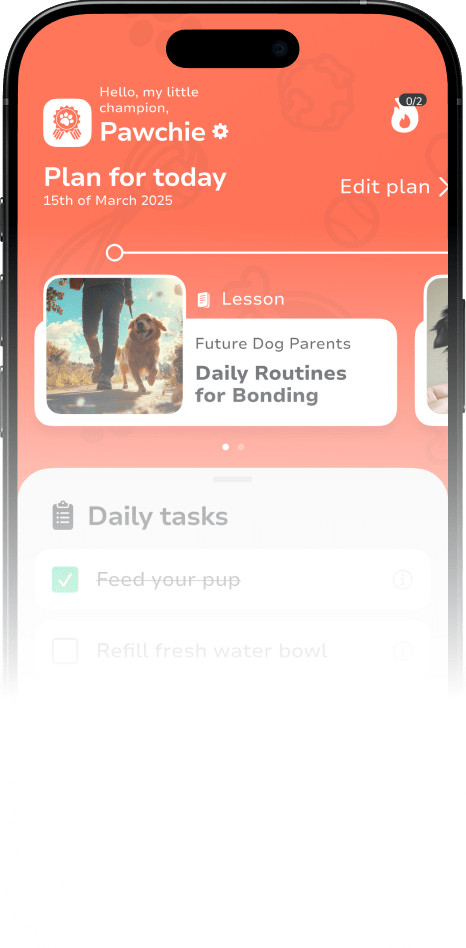
Progress tracking lets you log your dog's habits day by day, so you'll spot a drop in water intake early — and have something concrete to show your vet
Tried the broth trick and moved the bowl, but your dog still won't touch the water? Describe what's going on to a PawChamp expert — they're online 24/7 in the app and will tell you whether it's stress, habit, or time to call the vet.
Bottom Line
Wie man sieht, ist es ein Grund zur Sorge, wenn ein Hund kein Wasser trinkt – insbesondere, wenn dies länger anhält oder mit klinischen Symptomen einhergeht. Eine Dehydrierung bei Hunden kann schnell schwerwiegende Folgen haben (vor allem bei älteren Hunden und Welpen), und die ersten Anzeichen sind nicht immer leicht zu erkennen. Wenn Sie sich am Kopf kratzen und sich fragen: „Warum trinkt mein Hund kein Wasser?“, sollten Sie nicht abwarten, sondern lieber früher als später Ihren Tierarzt aufsuchen – vor allem, wenn Ihr Hund zudem lethargisch ist, sich erbricht, Durchfall hat, das Futter verweigert oder andere besorgniserregende Anzeichen einer Erkrankung zeigt.
References
Gaylord, L. How much water should a dog drink? DVM360, 2024. (Confirm exact title and year before publishing.)